Must-Have Garage Tools for DIY Car Repairs
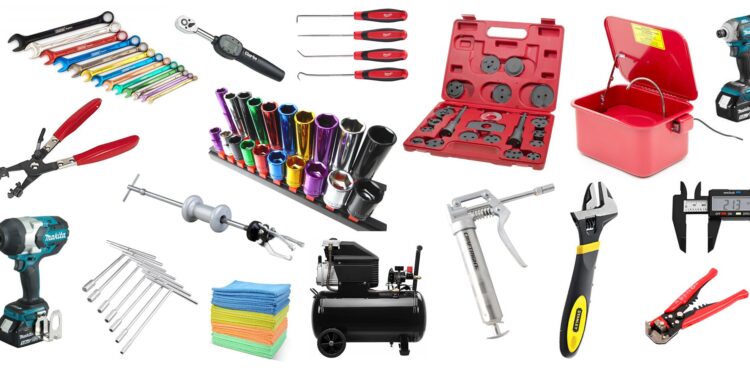
Self-car repair is efficient and confidence-building. The correct garage tools also ensure that every task is stressful. A modest toolkit is capable of doing most typical repairs. It does so without cluttering your entire garage with tools you use infrequently.
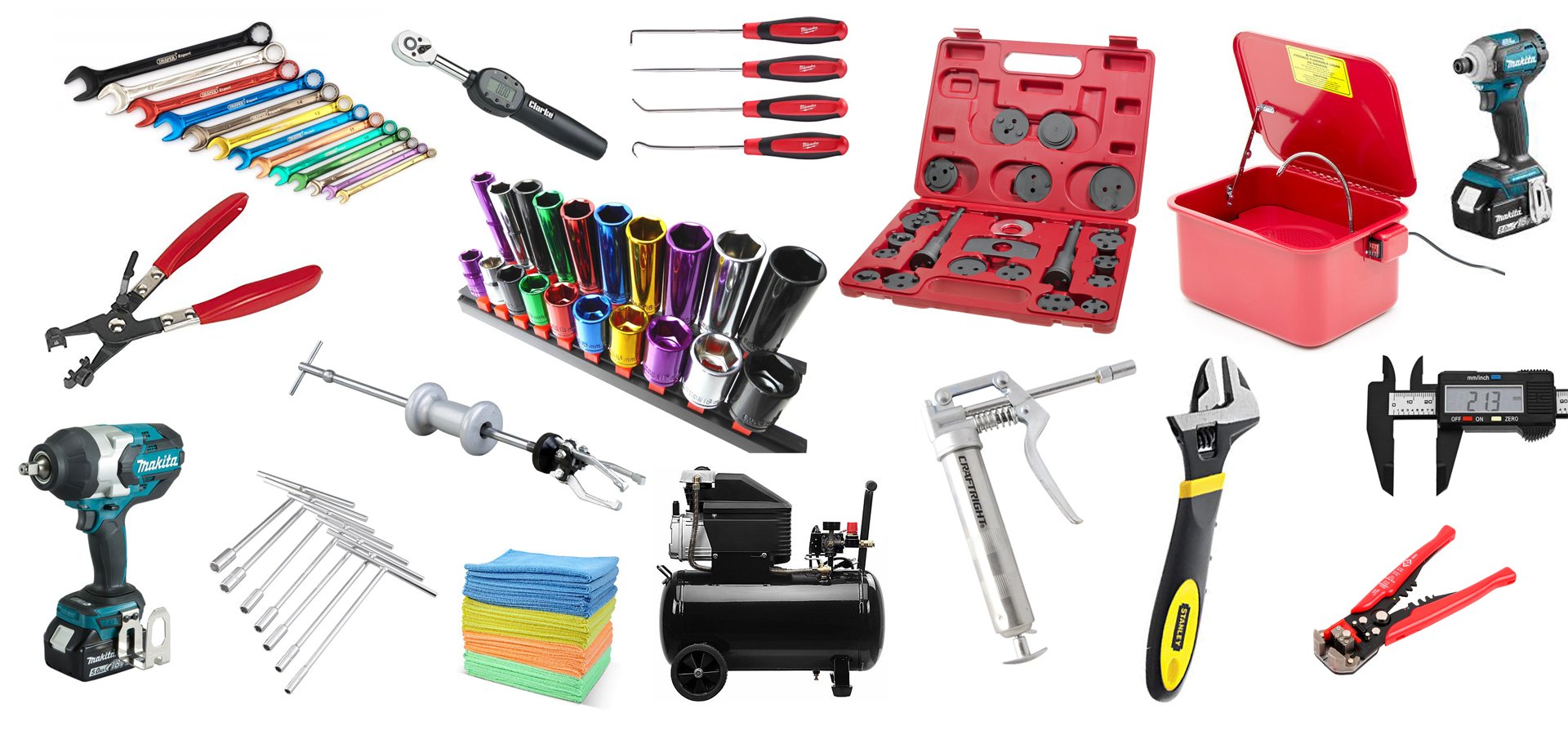
An excellent beginner set typically comes with sockets, ratchets, screwdrivers, pliers, and wrenches. Most people prefer Milwaukee toolkits. That is because they encompass typical sizes. Not to mention, they keep the tools tidy right from the start. You do not need all at once. However, you do want the kind of tools that will respond to serious repair work. The following are the tools you must have in the garage when performing DIY repairs:
Core Hand Tools
The foundation of DIY car repair is a socket set. Include locking pliers and simple screwdrivers in the set. This way, you can accomplish a variety of tasks with less frustration.
A torque wrench in a garage is also essential. It assists you in tightening lug nuts to the required specifications without any guessing. That doesn’t just safeguard threads. It also reduces the risk of expensive errors caused by under-tightening.
Safety Tools
Access to safe lifting tools is more important than fast power tools. Undercarriage work necessitates wheel chocks. So, keep safety glasses close by at any time you get a repair going.
Comfort is also important when a repair takes longer than you expected. During lengthy work on rough concrete, a creeper helps your back and knees. Older belts are also easier to identify in better lighting before they become bigger issues.
Simple Diagnostic Tools
Solid diagnostic instruments will stop you from guessing. With an OBD2 scanner, you can read trouble codes, clear a red light, and direct you to a common engine or sensor problem before you waste your money on the wrong part. The digital multimeter also aids in checking batteries, fuses, wires, switches, and charging issues with confidence.
Measuring tools are also handy. A tread depth meter aids in identifying potential alignment issues early on. These cost-effective tools don’t just contribute to safer driving. They also contribute to improved fuel efficiency in the long term.
Small Extras That Save Time
Certain tools do not seem significant until a task becomes disorderly or irritating. These easy extras are usually the quickest in actual repair since they lessen clean-up, guard little pieces, and enable you to work more rapidly. Store them in a single drawer to ensure they are readily available when a quick fix becomes a deeper undertaking. Here are some of these extras
- Magnetic tool tray with bolts and clips.
- Sterile fluid change set.
- Plastic removal tools.
- Rust/corrosion wire brush.
In conclusion, begin simple, then continue adding more tools as you become skilled. Whenever you can, buy quality and discard low-quality tools that make you feel unsafe or slow you down. When properly configured, your garage turns into a place where you can handle issues with ease and maintain your car in a better condition.

